Mushrooms in Garden Bed: What They Are and What to Do
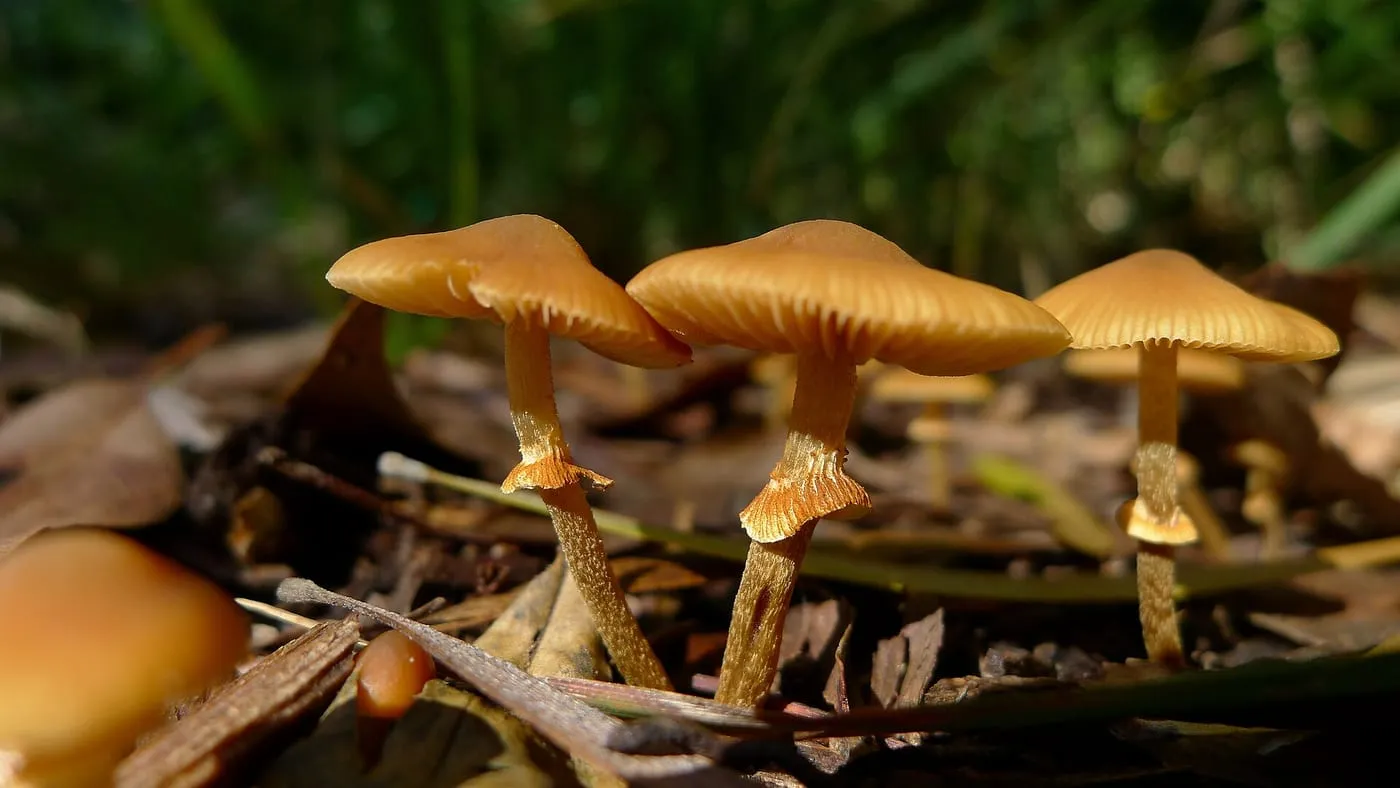
Mushrooms in a garden bed are almost always harmless decomposers feeding on the mulch, compost, and buried wood you've added to enrich the soil. The bright little yellow ones that pop up in pots and rich beds are especially common and completely normal. They're a sign of healthy, biologically active soil - the only real job is keeping curious kids and pets from eating them.
Most likely causes
- Decomposing mulch, wood chips, or compost - the number-one reason, and a good sign for your soil
- Buried roots or organic matter breaking down below the surface
- Overwatering plus shade - damp, dim conditions that let fungi fruit
- Small bright-yellow parasol mushrooms - a classic sight in rich, mulched beds and containers
Not quite what you're seeing? Answer four quick questions and the clue finder will point you to a closer match.
Compare the possible causes
| Possible cause | Key signs | When it happens | How likely |
|---|---|---|---|
| Decomposing mulch, wood chips, and compost | Mushrooms grow right out of the mulch layer or where you've spread compost, often in clusters | Warm, damp stretches from late spring through fall, days after watering or rain | Very common |
| Buried roots and organic matter | Mushrooms return to the same spot each year, often near an old shrub, tree root, or where organic material was dug in | Late summer and fall after rain, recurring for years while the wood lasts | Common |
| Overwatering and shade | Mushrooms cluster in the dampest, shadiest corners of the bed and show up after every watering | Any warm season, worst under dense planting or in beds that rarely dry out | Common |
| Yellow flowerpot parasol and similar rich-soil mushrooms | Small, bright lemon-yellow mushrooms with pointed or parasol-shaped caps, appearing in potted plants and rich, mulched beds | Warm weather, often overnight after watering, collapsing by afternoon | Common |
Visual clues to check
- Look at what they're growing from: mushrooms rising straight out of mulch, compost, or potting soil are decomposers, not a plant disease
- Check your plants: healthy, unbothered plants beside the mushrooms confirm the fungi are eating dead matter, not your garden
- Follow the weather: mushrooms within a day or two of watering or rain are moisture-triggered and temporary
- Watch the clock: most garden-bed mushrooms - especially the yellow ones - collapse within a day or two of appearing
- Note the color for safety, not ID: bright yellow caps are eye-catching to kids and pets and worth removing, but color alone never tells you if a mushroom is toxic
- Peel back the mulch near a cluster and you'll often find the white, thread-like mycelium that is the actual fungus
The causes in detail
Decomposing mulch, wood chips, and compost
This is the main event. Bark mulch, wood chips, and compost are exactly what wood-and-leaf-eating fungi live on, so mushrooms in a mulched bed are the visible sign that your mulch is doing its job and feeding the soil. The fungus itself is a network of white threads (mycelium) woven through the mulch; the mushrooms are just its temporary fruiting bodies. They break down organic matter into nutrients your plants can use, then collapse in a few days.
Buried roots and organic matter
Fungi are nature's recyclers of wood, and a bed built over old roots or dug-in organic matter gives them years of food. When mushrooms come up in the same place season after season, they're usually tracing something decomposing below - a buried root, an old stump, or amendments you worked into the soil. They stop on their own once the material is fully digested, and there's no harm to living plants in the meantime.
Overwatering and shade
Fungi live in the soil year-round but only fruit when it's damp enough for spores to survive, so constant moisture and low light produce a steady crop of mushrooms. A bed that's watered daily, sits in shade, or drains poorly stays mushroom-friendly. Letting the surface dry between waterings - deeper, less frequent watering, ideally in the morning - usually thins them out without touching the plants.
Yellow flowerpot parasol and similar rich-soil mushrooms
The little yellow mushrooms people ask about most - often the flowerpot parasol - are a classic sight in rich potting soil, compost, and mulched beds. They're startling because of the color, but they don't harm your plants at all; they're simply decomposers thriving in fertile, moist soil. They are, however, not for eating, and their bright color makes them tempting to small children. Pick them out for safety and let the soil surface dry, and they'll fade on their own.
When to worry
- You have toddlers or pets that put things in their mouths - remove mushrooms promptly rather than waiting for them to shrivel
- A child or pet may have eaten any part of a garden mushroom - treat it as an emergency, not a wait-and-see
- Mushrooms sprout directly from the base or roots of a living shrub or tree, which can hint at internal decay worth an arborist's look
- The bed stays waterlogged for days at a time - a drainage problem worth fixing for your plants' sake, mushrooms aside
What to do now
- Put on gloves and pick the mushrooms by hand - twist or pluck them, bag them, and put them in the trash rather than the compost
- Sweep the bed before letting small children or pets play nearby, especially after rainy or freshly watered days
- Water deeply but less often and in the morning so the surface dries out between waterings
- Fluff or turn the mulch occasionally to help it dry, and avoid piling it too thick and wet against plant stems
- Leave the fungi be if kids and pets aren't a concern - they're improving your soil and will vanish on their own
- If you truly need a mushroom identified, consult a local mycology group or extension expert; a photo or app is never enough to call one safe
What not to do
- Never eat a wild garden mushroom or let anyone taste-test one - some toxic species look ordinary, and identification is a job for trained experts
- Don't rely on folk tests, apps, or photos to declare a mushroom safe to eat - none of them are reliable
- Don't drench the bed with fungicide; it won't reach the fungus in the soil, harms beneficial organisms, and wastes money on something helpful
- Don't tear mushrooms apart across the bed - you'll scatter spores and leave fragments a curious pet can still find and eat
- Don't dig out all the mulch to chase the fungus; the mycelium is far larger than the mushrooms and removing good mulch does more harm than the mushrooms ever would
Frequently asked questions
Why are mushrooms growing in my garden bed?
Because your bed is full of the organic matter fungi feed on - mulch, wood chips, compost, and buried roots. The fungi live in the soil breaking that material down into nutrients your plants use, and they send up mushrooms when the soil is damp enough, usually after rain or watering. It's a sign of healthy, biologically active soil, not a disease.
Are the little yellow mushrooms in my garden dangerous?
They won't harm your plants at all - the yellow parasol types are harmless decomposers of rich, moist soil. The concern is only that they're bright, eye-catching, and should never be eaten, which makes them a risk around small children and pets. Pick them out for safety and let the soil dry between waterings, and they'll disappear on their own.
Will mushrooms hurt my vegetables or flowers?
No. These fungi eat dead organic matter - mulch, compost, old roots - not your living plants, so your vegetables and flowers are unaffected. If anything, the decomposition they drive releases nutrients back into the soil. The only real precaution is keeping the mushrooms away from anyone who might eat them.
How do I stop mushrooms from coming back in my beds?
Manage moisture rather than the fungus. Water deeply but less often and in the morning so the surface dries out, avoid piling mulch too thick and wet, and improve drainage in soggy beds. If they keep returning to one spot, something is decomposing below and they'll stop once it's gone. Picking them promptly keeps the bed tidy and safe in the meantime.