Moss in Lawn: Why It's Growing and How to Get Rid of It
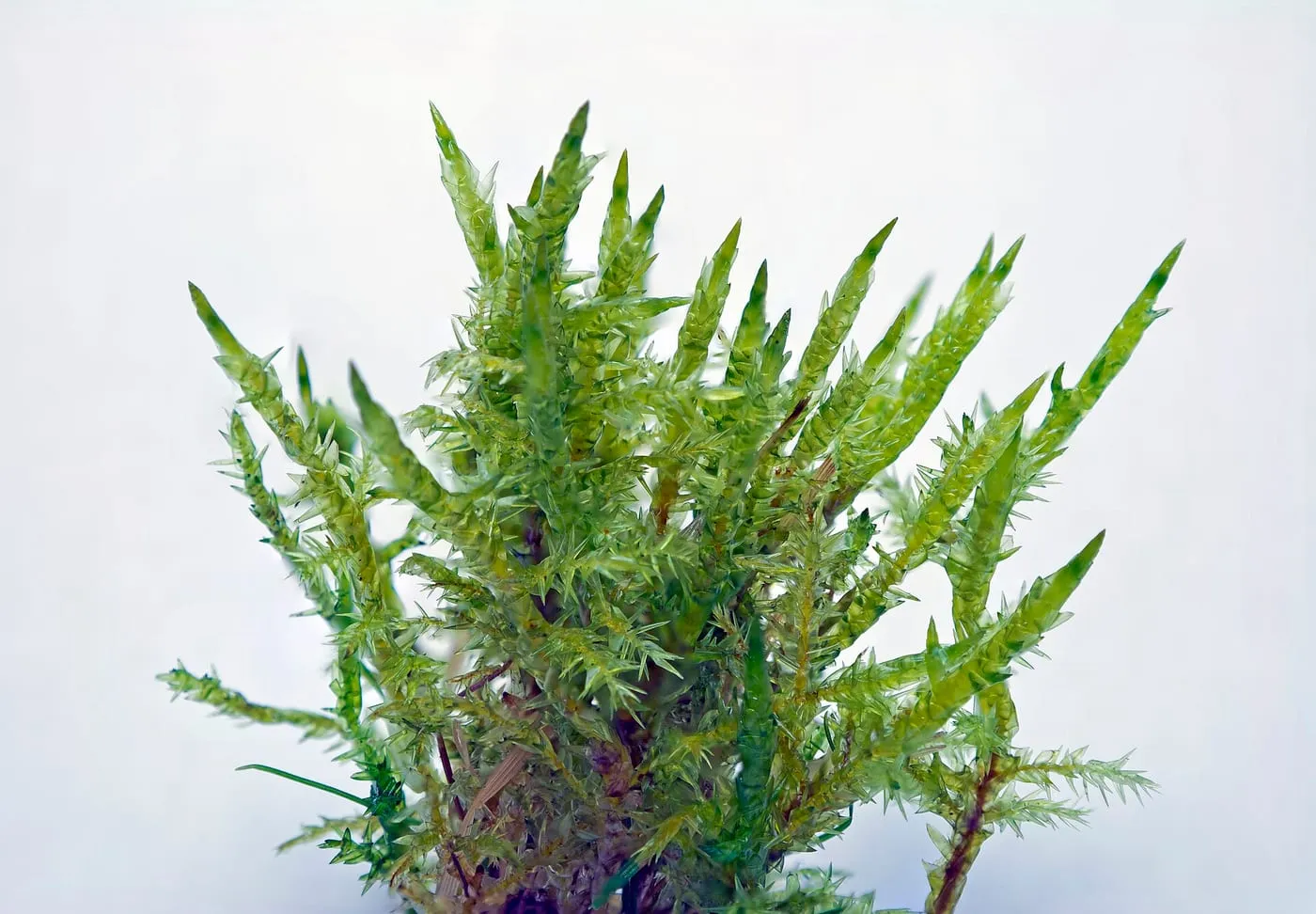
Moss in a lawn is a symptom, not the disease. It moves in wherever grass is too weak to compete - usually because of deep shade, compacted or poorly drained soil, low soil pH, or turf that's been mowed too short and underfed. Raking the moss out only helps for a season; the lasting fix is correcting the condition that let it win in the first place.
Most likely causes
- Deep shade - grass thins out and moss fills the gap under trees or on the north side of the house
- Compacted soil - hard, foot-worn ground that grass roots can't penetrate
- Poor drainage - soggy low spots that stay wet long after rain
- Acidic (low pH) soil - conditions moss tolerates and grass struggles in
- Thin, underfed turf - a hungry lawn that leaves bare ground for moss to colonize
- Mowing too low - scalped grass that can't shade out competitors
Not quite what you're seeing? Answer four quick questions and the clue finder will point you to a closer match.
Compare the possible causes
| Possible cause | Key signs | When it happens | How likely |
|---|---|---|---|
| Deep or persistent shade | Moss is thickest under trees, along fences, or on the north and east sides of the house where sun rarely reaches | Year-round, but most obvious in spring and fall when the moss is lush and green | Very common |
| Compacted soil | The moss grows on hard, worn ground - paths, play areas, or clay soil - where a screwdriver is hard to push in | Develops over years of traffic; moss becomes visible in cool, wet seasons | Very common |
| Poor drainage and soggy ground | Moss concentrates in low spots, along downspouts, or anywhere the ground squelches underfoot for hours after rain | Worst in the rainy stretches of spring and fall, and through wet winters | Common |
| Acidic (low pH) soil | Moss is widespread even in sunny, well-drained areas, and a soil test reads below about 6.0 | Any time of year; often a background factor that makes the other causes worse | Common |
| Thin, underfed turf | Sparse, pale grass with visible soil between plants, and moss creeping into the gaps | Most noticeable in spring after a hard winter, and in late summer after heat stress | Common |
| Mowing too short (scalping) | The lawn is cut very low and moss spreads through the thinnest, most closely shaved areas | Through the mowing season, spring into fall | Less common |
Visual clues to check
- Confirm it's moss: a soft, velvety green mat that lifts away in a sheet with no real roots gripping the soil - not slimy like algae, not the flat leafy lobes of liverwort
- Check the light: if the worst moss sits under trees or on the shady side of the house, shade is your driver
- Push a screwdriver into the soil: if it barely goes in, the ground is compacted
- Look after rain: moss that lives in the spots that stay wet longest points to a drainage problem
- Test the soil pH with an inexpensive kit before you reach for lime - guessing usually makes things worse
- Study the grass itself: thin, pale, hungry-looking turf means the fix is feeding and overseeding, not attacking the moss
The causes in detail
Deep or persistent shade
Most lawn grasses need at least four to six hours of direct sun to stay dense. In heavy shade the grass thins, the ground stays cool and damp, and moss - which needs very little light - quietly takes the space grass gives up. This is the single most common reason moss appears. Thinning tree canopies to let filtered light through helps, but in truly dark corners a shade-tolerant groundcover or mulch is often more realistic than fighting for turf.
Compacted soil
When soil is packed tight, air and water can't reach grass roots and the turf slowly starves and thins. Moss has shallow, root-like structures and doesn't mind compaction at all, so it happily colonizes the weakened patches. Core aeration - pulling small plugs of soil out - relieves the compaction and gives grass roots room to recover. A lawn that's aerated and reseeded usually crowds moss back out within a season or two.
Poor drainage and soggy ground
Constant moisture is moss's best friend and most grasses' enemy - waterlogged roots suffocate and rot. If your moss maps neatly onto the wettest parts of the yard, drainage is the real problem. Regrading a low spot, extending a downspout, or improving heavy clay with topdressing lets the surface dry between rains, which tips the balance back toward grass.
Acidic (low pH) soil
Grass grows best in slightly acidic to neutral soil, roughly pH 6.0 to 7.0, while moss tolerates more acidic ground where grass is less vigorous. Low pH doesn't create moss by itself, but it weakens the grass enough to let moss win. A simple soil test kit tells you where you stand; if pH is genuinely low, garden lime raises it gradually over a few months. Don't lime blindly - test first, because over-liming causes its own problems.
Thin, underfed turf
Moss is an opportunist - it doesn't push grass out so much as move into ground the grass has already abandoned. A lawn that's underfed, drought-stressed, or worn thin leaves open soil, and open soil is an invitation. A dense, well-fed lawn is the best moss control there is, because healthy turf simply doesn't leave room. Feeding at the right season and overseeding bare patches often does more than any moss treatment.
Mowing too short (scalping)
Cutting grass too short removes the leaf area it needs to grow and lets sunlight hit the soil surface, stressing the turf and helping moss and weeds establish. Raising the mower deck so you're removing no more than a third of the blade each time keeps grass taller, denser, and better able to shade out competitors. It's the easiest change on this list and it costs nothing.
When to worry
- Moss is spreading fast across areas that used to hold decent grass, which signals a growing shade, drainage, or soil problem underneath
- The ground stays soggy for days after every rain - a drainage issue that will keep defeating grass until it's fixed
- Bare, muddy patches are opening up and eroding on slopes where the grass has given out
- You've raked moss out repeatedly and it returns every season, meaning the underlying condition was never addressed
What to do now
- Rake or scarify the moss out by hand to physically remove the mat, then reseed the bare ground the same day so grass claims it first
- Aerate compacted soil by pulling cores, which lets air, water, and roots back in
- Improve drainage in soggy spots - extend downspouts, regrade low areas, or topdress heavy clay to help it dry out
- Test the soil pH and apply garden lime only if the reading is genuinely low, following the kit's guidance for a gradual correction
- Prune or thin overhanging branches to let more light reach the grass below
- Feed the lawn at the right season and mow higher so dense, vigorous turf crowds moss out on its own
- In deep shade where grass will never thrive, switch to a shade-loving groundcover or mulch instead of fighting a losing battle
What not to do
- Don't just scrape the moss off and walk away - if the shade, wet, or compaction is still there, it'll be back within months
- Don't scalp the lawn trying to 'clean it up'; short grass is exactly what moss wants
- Don't dump lime on the lawn without a soil test - over-liming creates new problems and won't help if pH wasn't the issue
- Don't reach straight for an iron-based moss killer as a permanent fix; it blackens and kills existing moss but does nothing about the conditions, so treat it as a one-time reset paired with real cultural changes
- Don't leave the bare soil open after removing moss - reseed promptly or weeds and moss will simply refill it
Frequently asked questions
How do I get rid of moss in my lawn naturally?
Fix the condition that's favoring it. Rake or scarify the moss out, then correct whatever weakened the grass - aerate compacted soil, improve drainage in wet spots, lime if a soil test shows low pH, let in more light, and feed and overseed so thick grass fills the space. Natural moss control is really about growing a lawn dense enough that moss has nowhere to go.
Will moss take over and kill my grass?
Not directly. Moss doesn't strangle or poison grass - it simply occupies ground the grass has already lost to shade, wet, compaction, or poor feeding. That's actually good news, because it means the moss is a symptom you can read. Correct the underlying problem and the grass can reclaim the area.
Does putting lime on my lawn get rid of moss?
Only if acidic soil is the actual cause, which you can't know without a test. Lime raises soil pH so grass grows more vigorously, but it doesn't kill moss and won't help at all if your real problem is shade or drainage. Test first; lime is a fix for low pH, not a general moss treatment.
Is moss in the lawn a sign of a bigger problem?
Usually it points to poor growing conditions for grass rather than anything alarming. The most common messages moss sends are too much shade, soil that stays wet, or ground that's compacted from traffic. Reading which one applies to your yard tells you exactly what to fix.